+

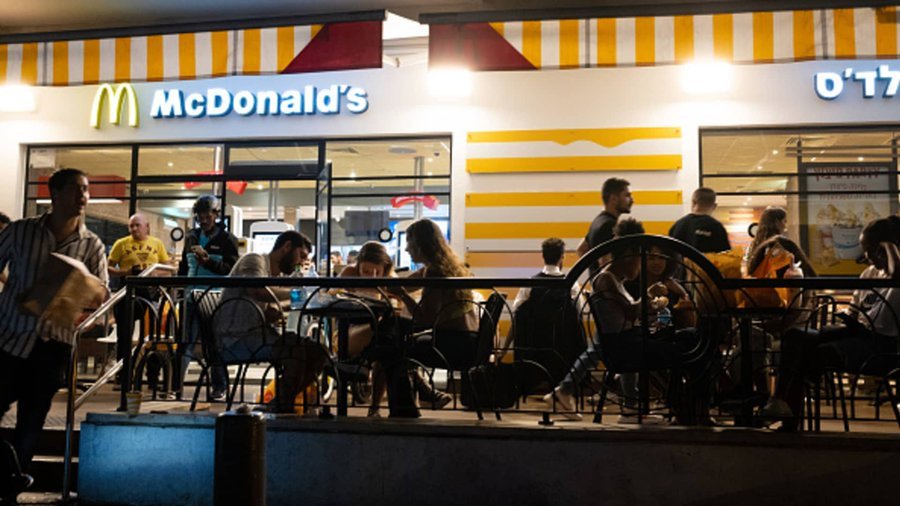

McDonald’s and Starbucks , two of the biggest U.S. restaurant companies, both said the Israel-Hamas war hurt their sales at the end of last year. Shares of McDonald’s fell 3% in morning trading on Monday, several hours after it reported that a sales slowdown in the Middle East contributed to its fourth-quarter revenue miss. Starbucks’ stock has fallen roughly 2% since Tuesday, when the company reported that the war dented its U.S. sales in the final three months of the year, too. The two restaurant giants became some of the largest U.S. companies to say the Middle East conflict hurt their sales — and will likely hit demand in future quarters, as well. It is unclear whether other restaurant companies will see a similar downturn. Starbucks became a target of boycotts when Starbucks Workers United, which represents hundreds of the chain’s unionized cafes, posted in support of Palestinians, leading to backlash from conservatives. Starbucks sought to distance itself from the tweet, which the union deleted, and sued Workers United for trademark infringement. Starbucks CEO Laxman Narasimhan said Tuesday that the company’s sales in the Middle East struggled, but boycotts also hurt its U.S. cafes. The chain’s U.S. same-store sales rose 5% in its fiscal first quarter ended Dec. 31, but foot traffic fell. The lag in U.S. foot traffic largely came from customers who only visited occasionally, according to Narasimhan. Starbucks is looking to revive demand by offering more targeted promotions and introducing new drinks. For its part, McDonald’s saw fourth-quarter sales slip in the Middle East after its Israeli licensee offered discounts to soldiers, prompting some boycotts from customers who oppose the country’s offensive in Gaza. The Middle East typically accounts for about 2% of McDonald’s global sales and 1% of its global earnings before interest and taxes, according to TD Cowen analyst Andrew Charles. McDonald’s CEO Chris Kempczinski said Monday that the company saw weaker sales in the Middle East and majority Muslim countries, like Malaysia and Indonesia, as a result. France, which has the largest Muslim population in Europe, also saw weaker sales, although executives said pricing backlash also contributed to softer demand.